Welcome to the heart of the savanna
In the north of Tanzania, the plains stretch out in all directions under a vast sky. The name «Serengeti» comes from the Maasai word “mase” Siringet, which evokes endless plains. Here, nature still reigns over an area of nearly 15,000 km², which has been classified as a UNESCO World Heritage Site since 1981.
A treasure to protect
The Serengeti is a fragile ecosystem. By choosing a responsible travel experience with operators committed to local communities and conservation, you directly contribute to the preservation of this sanctuary for future generations.
Why the Serengeti.
Each Anga ya Nyota safari is an invitation to discover Africa in a different way.
Far from standardised itineraries, our experiences are tailor-made, to the rhythm of nature, for rare, intense and profoundly memorable moments.
1
The Great Migration, a unique spectacle in the world
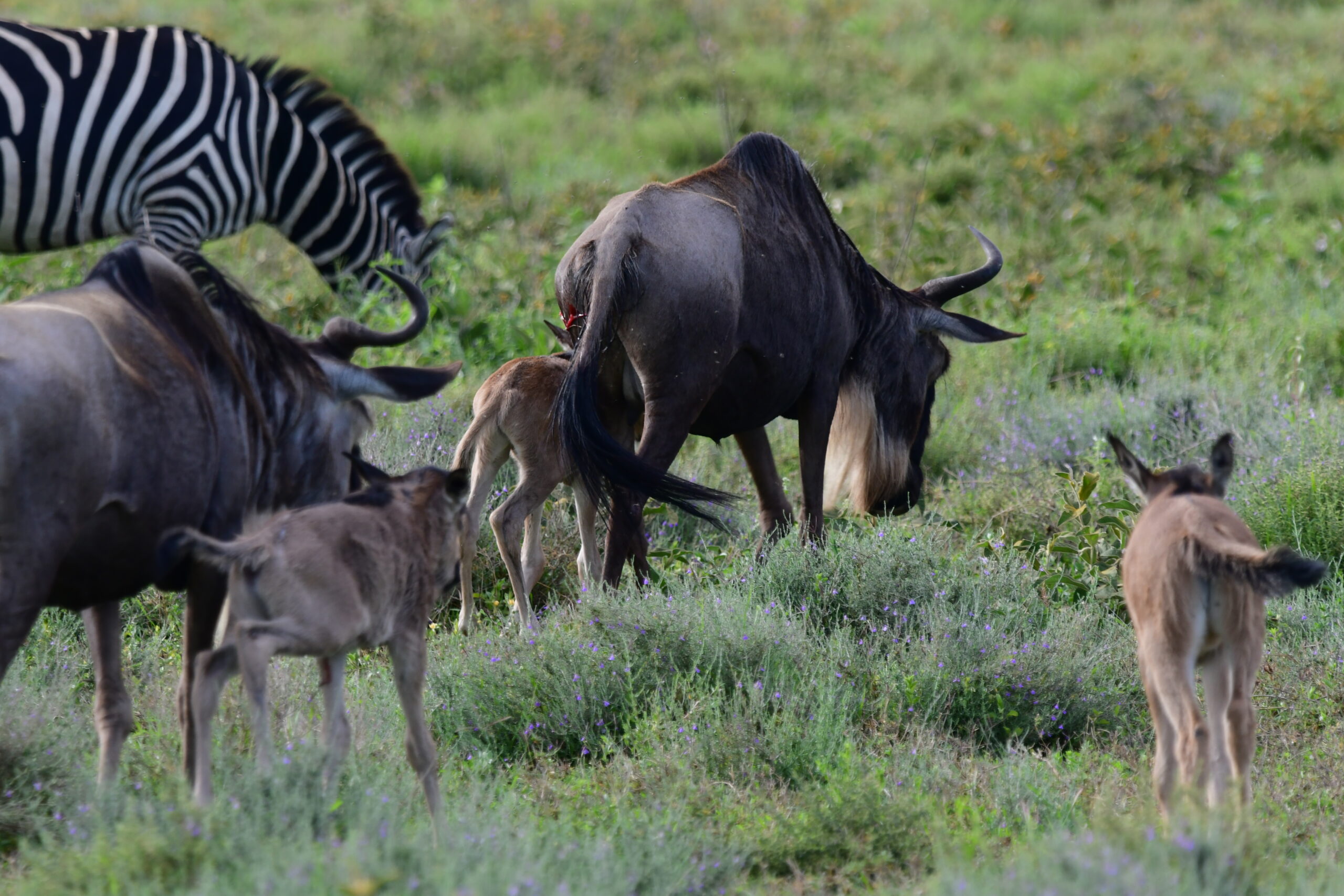
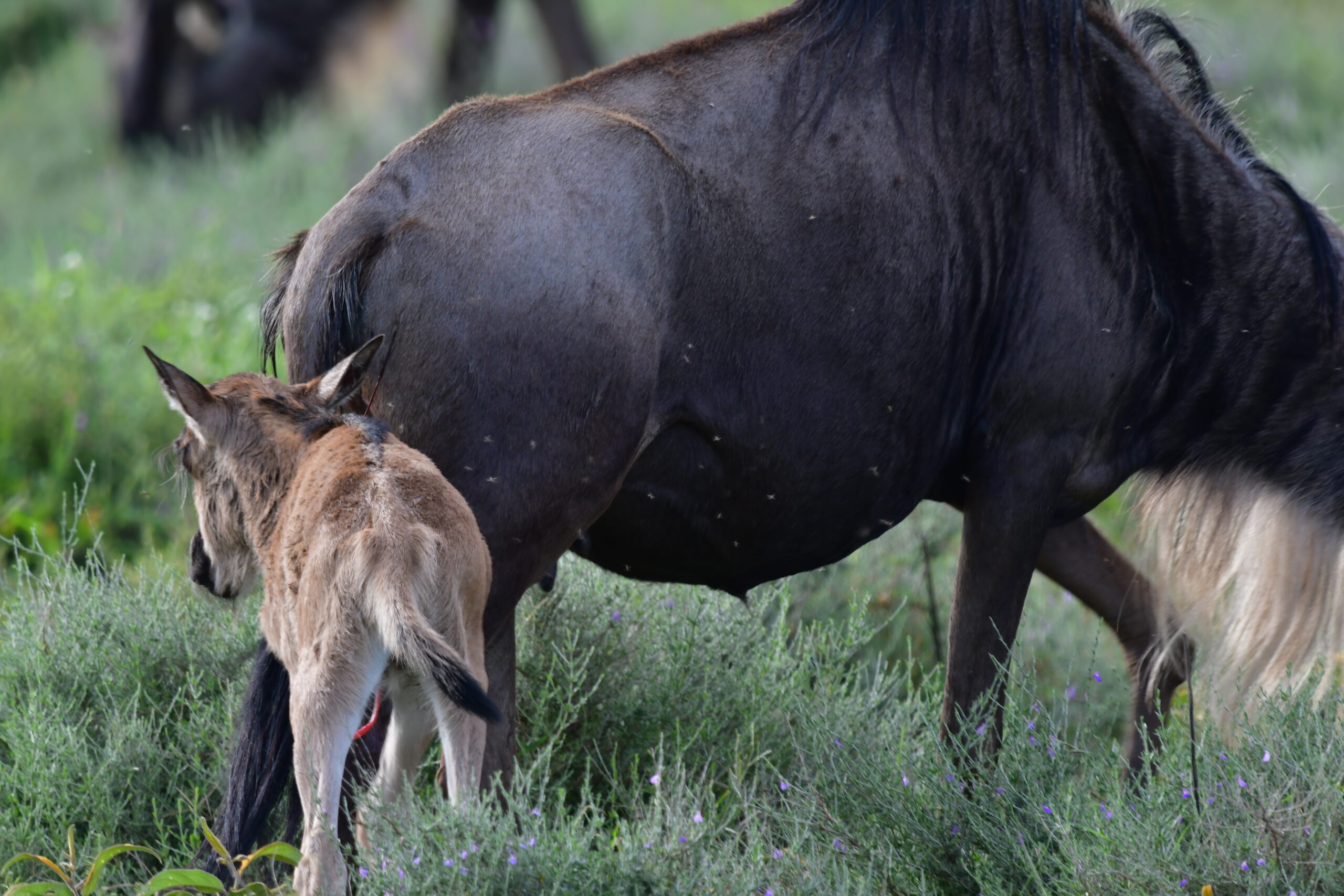
Every year, more than one and a half million wildebeest, accompanied by hundreds of thousands of zebras and gazelles, traverse the ecosystem following the rains and pastures. This endless cycle, considered one of the largest movements of wild animals on the planet, offers breathtaking scenes: herds beyond sight, crossed rivers, births in tens of thousands at the beginning of the year.
2
An exceptional wildlife
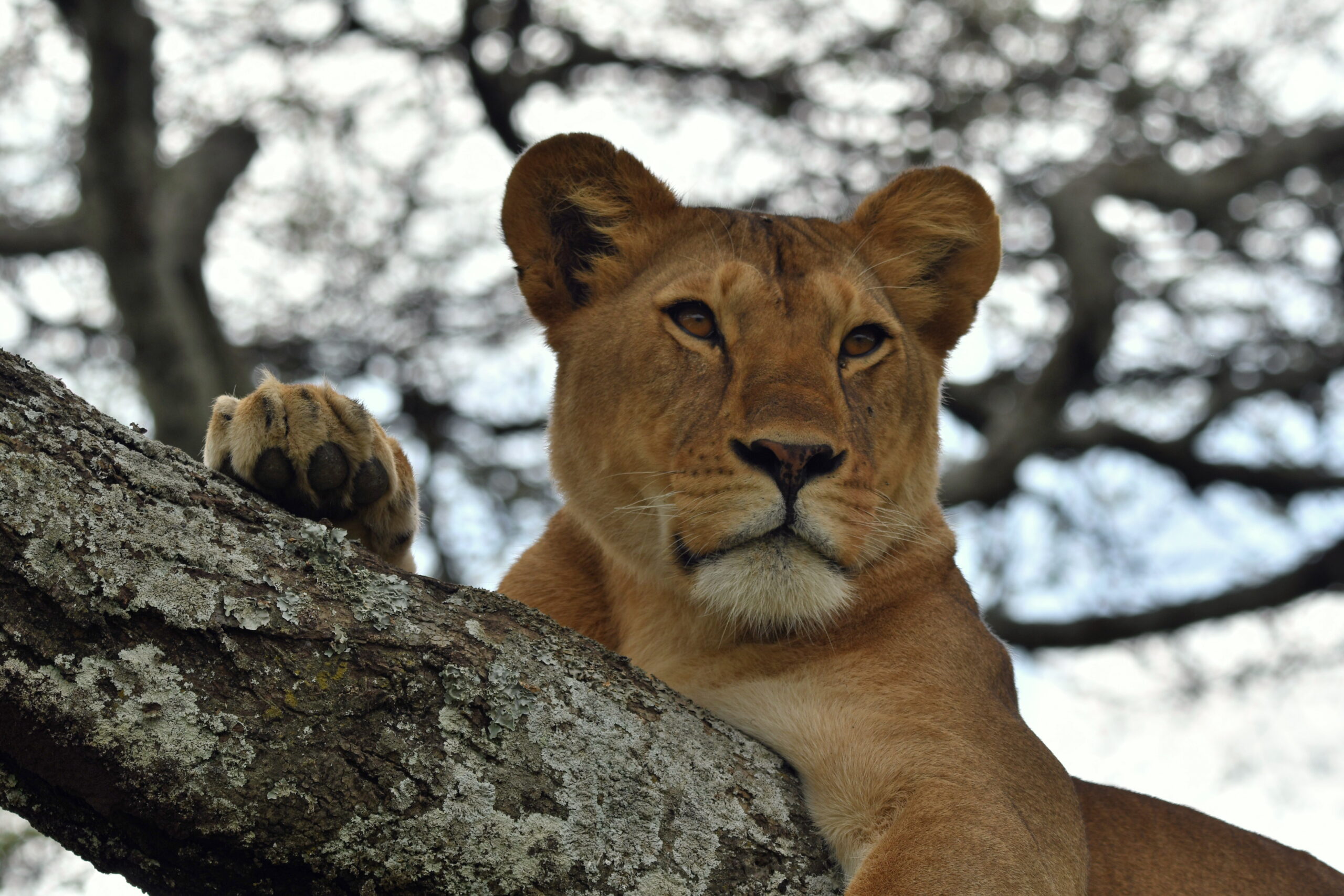
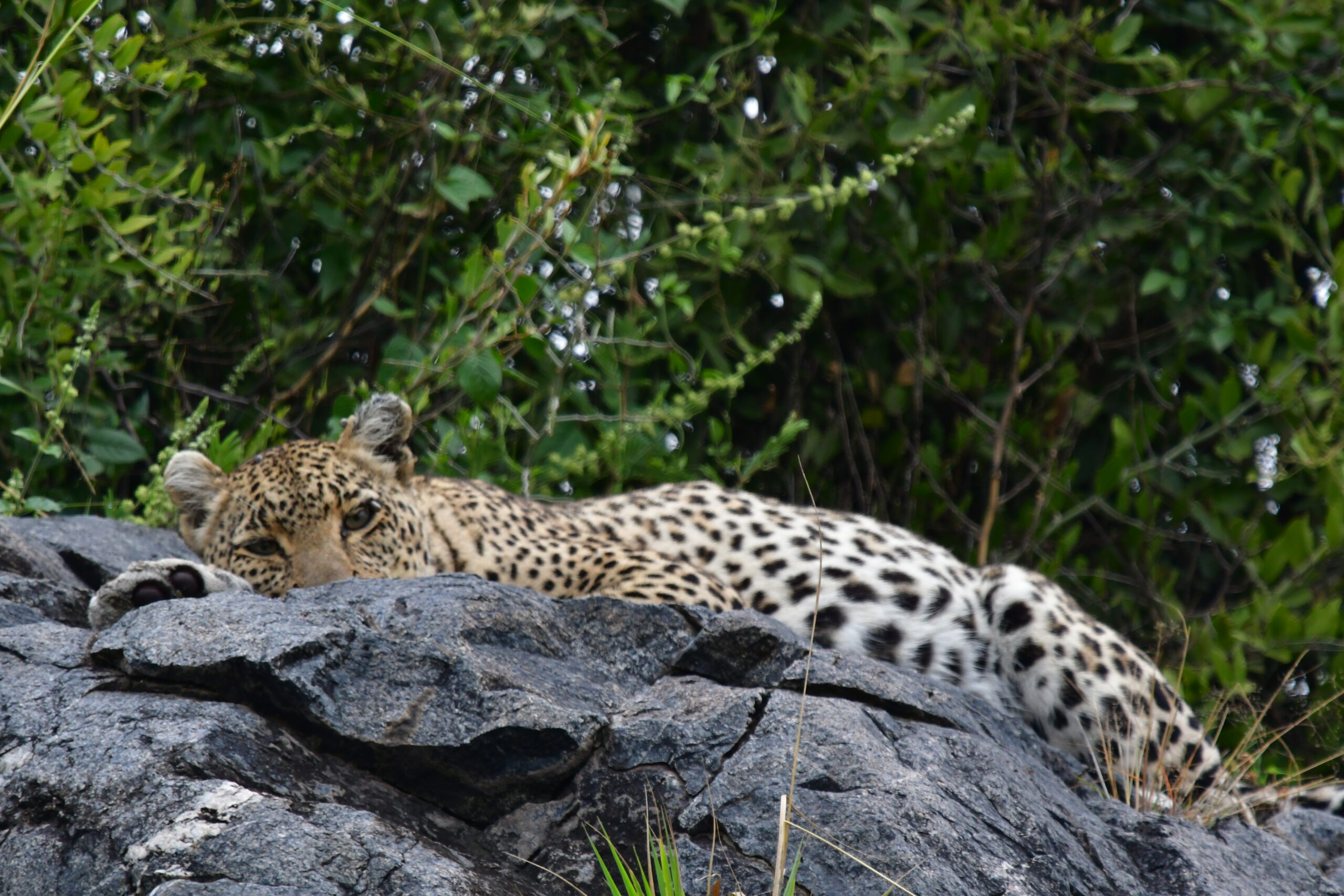
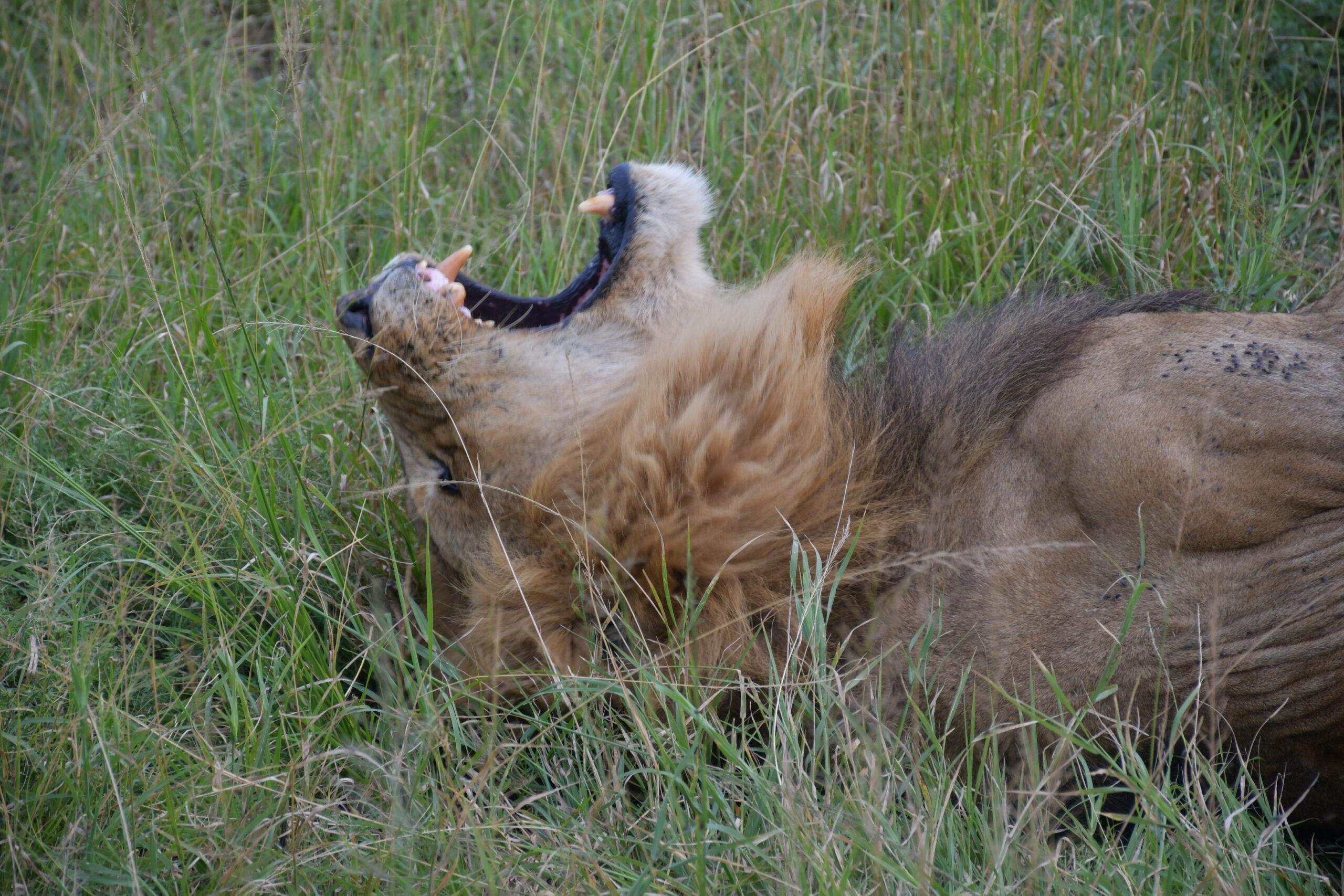
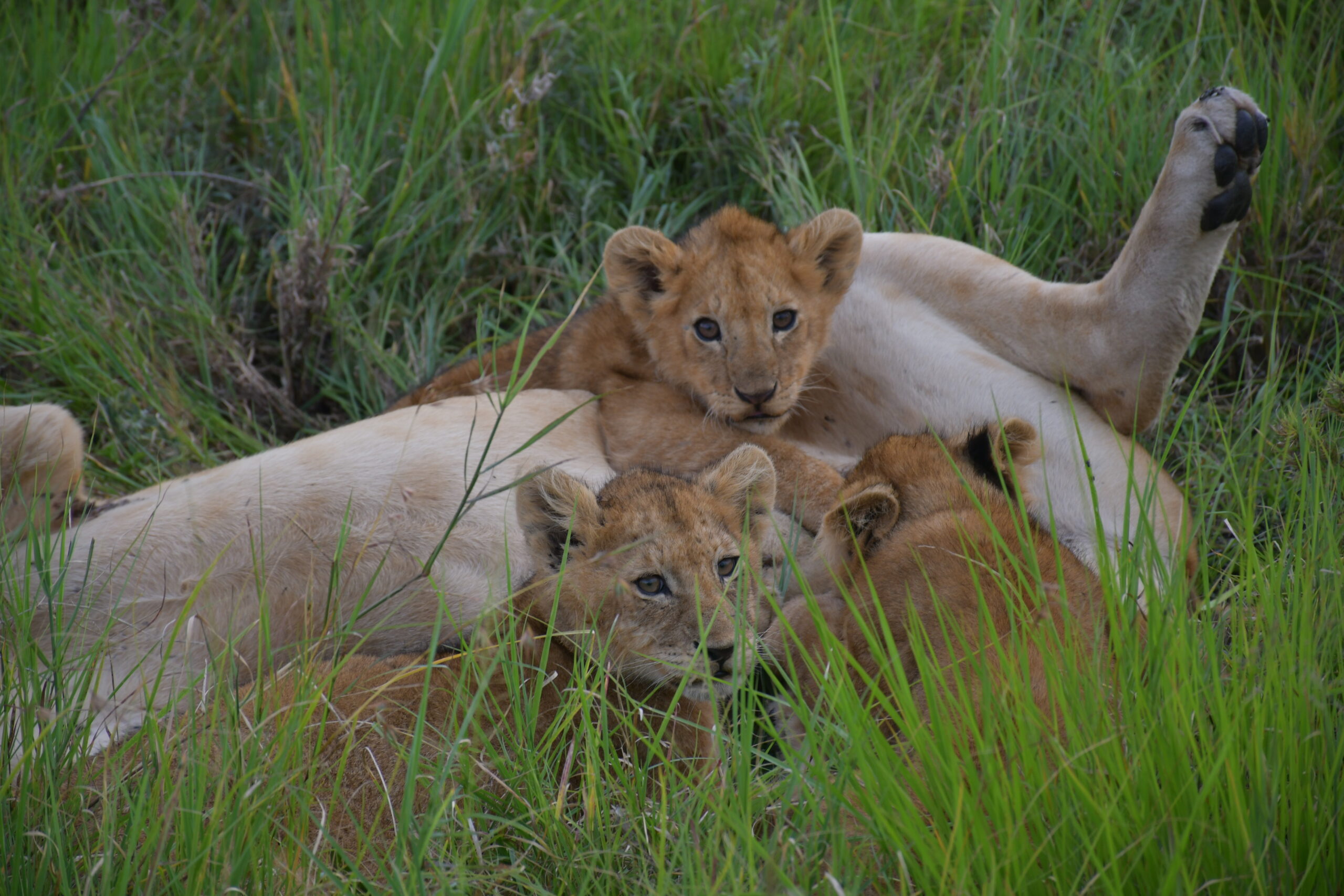
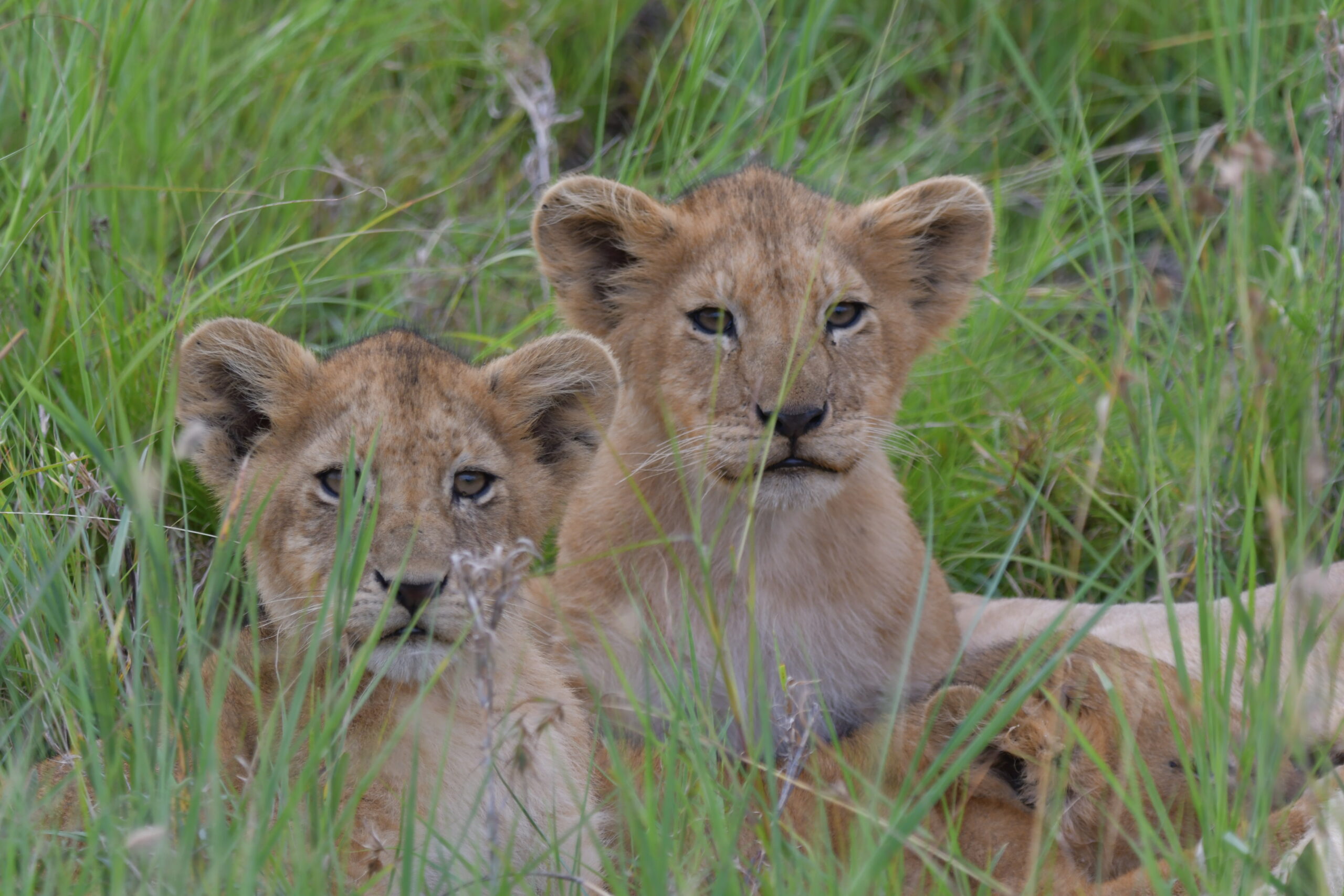
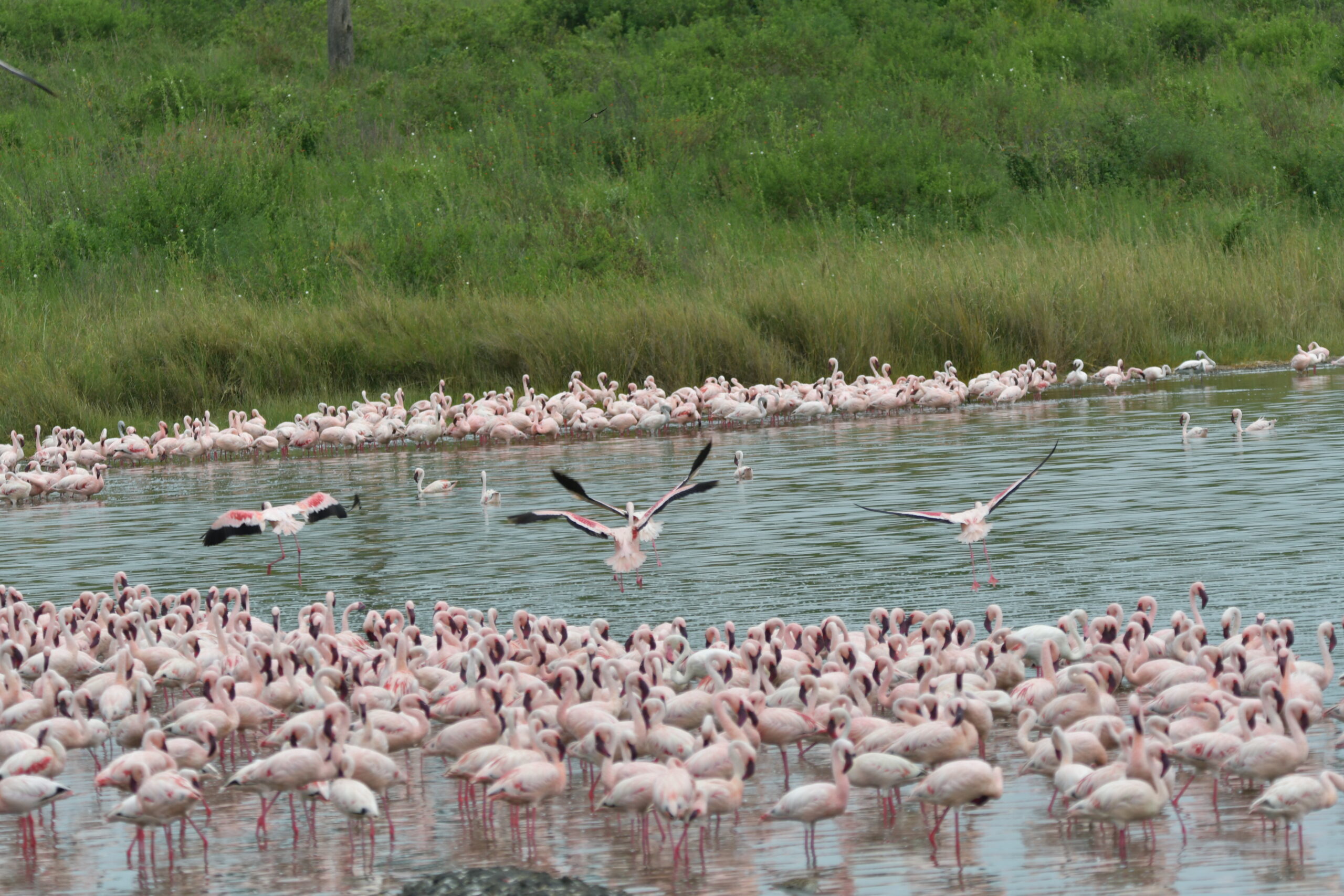
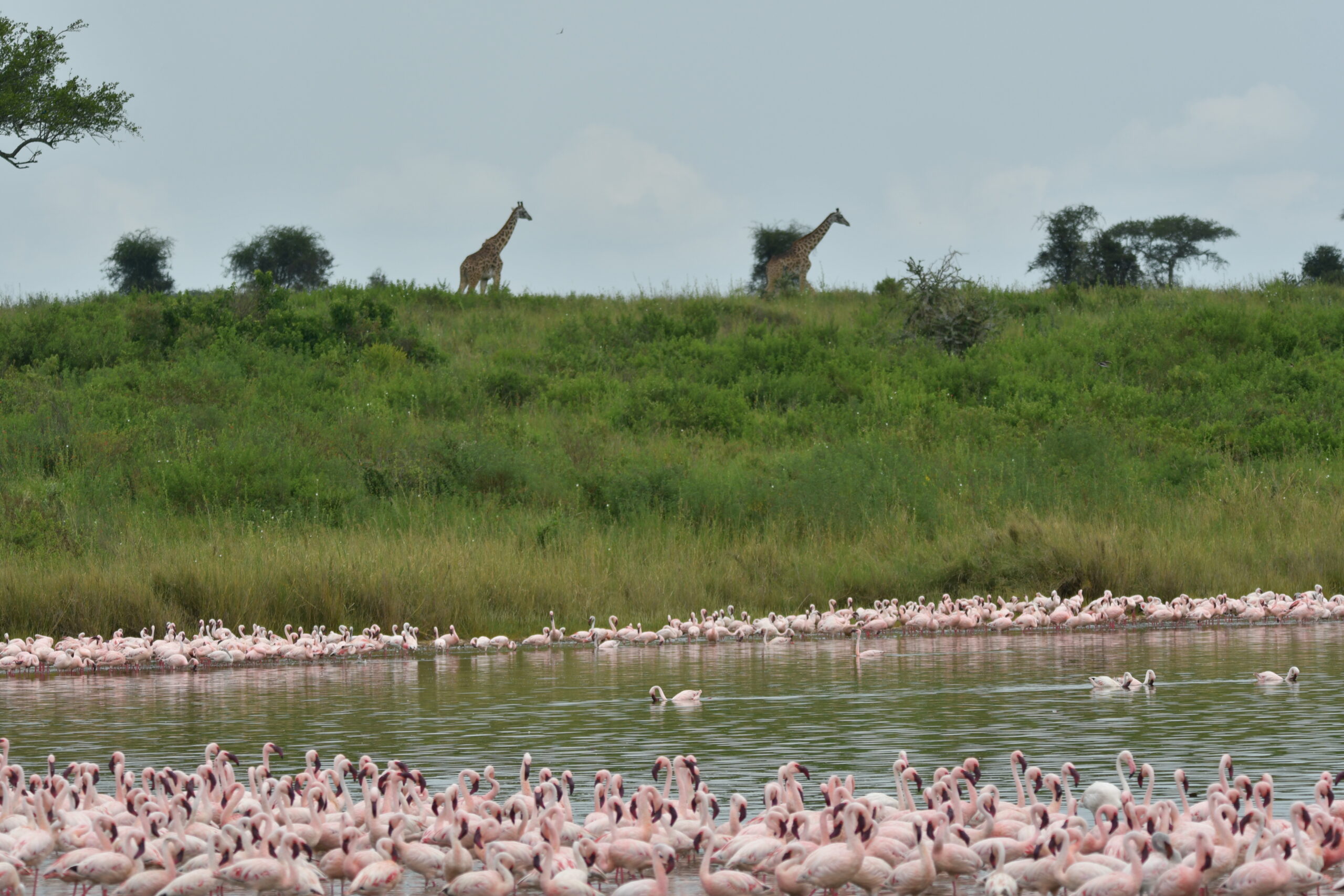
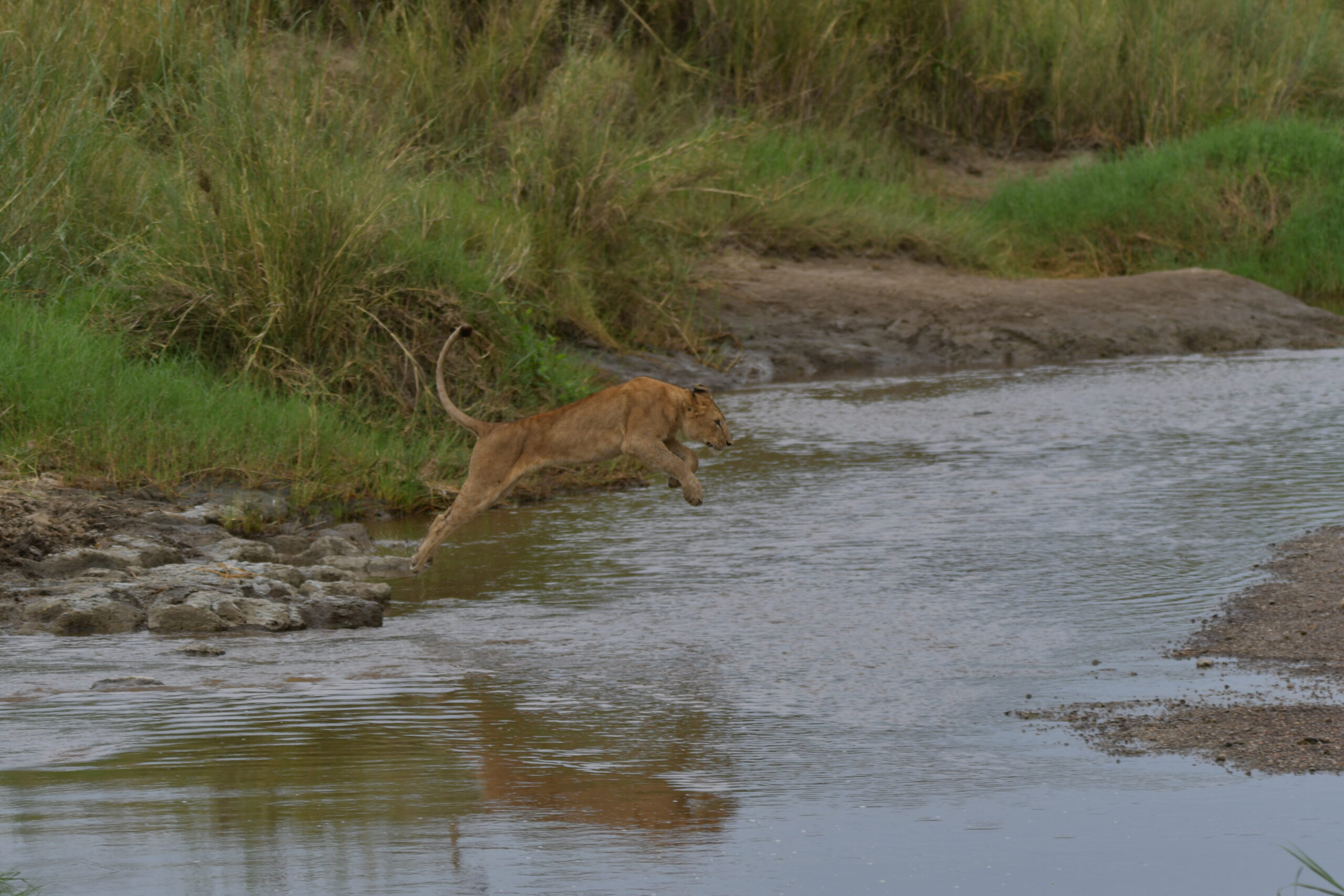
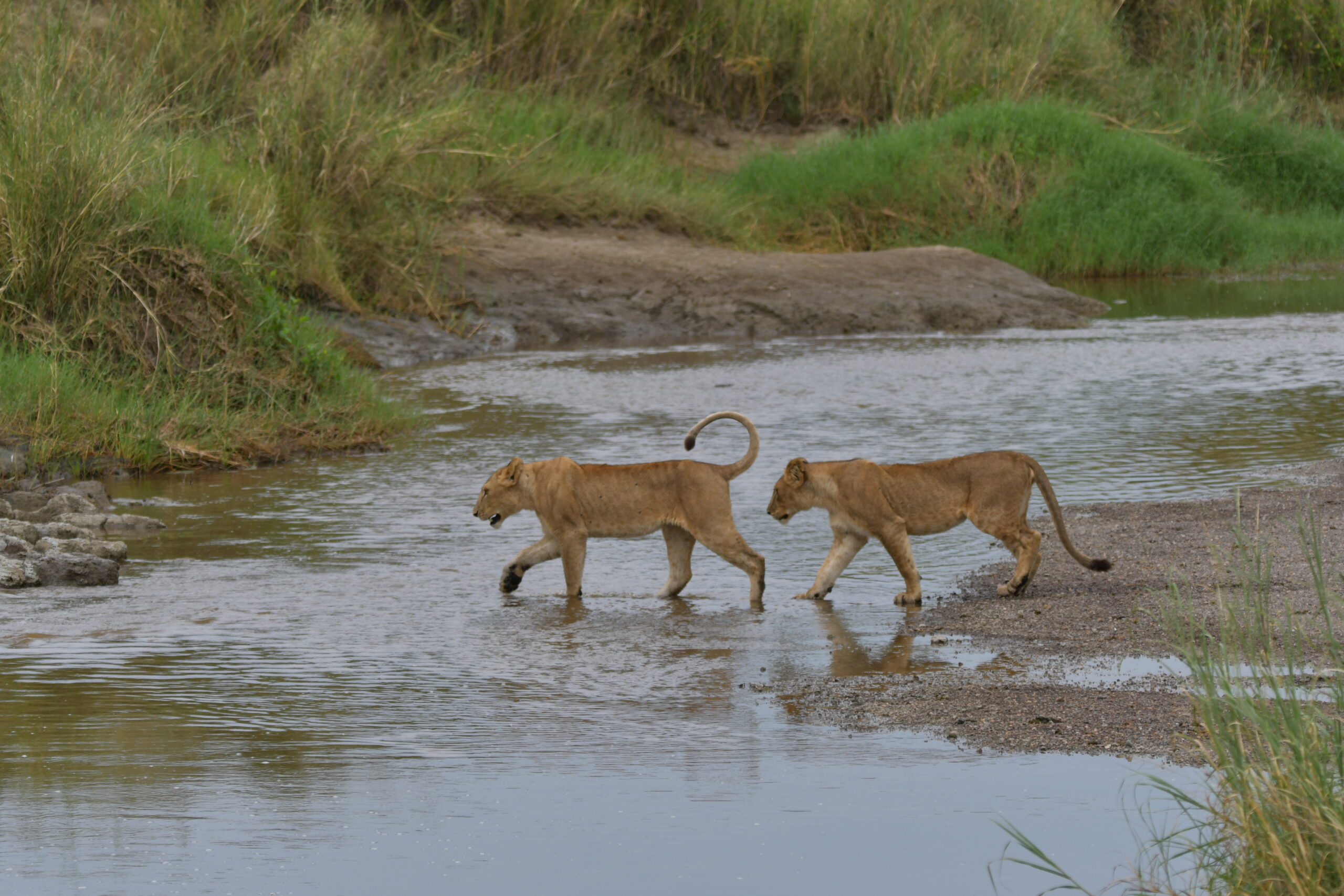
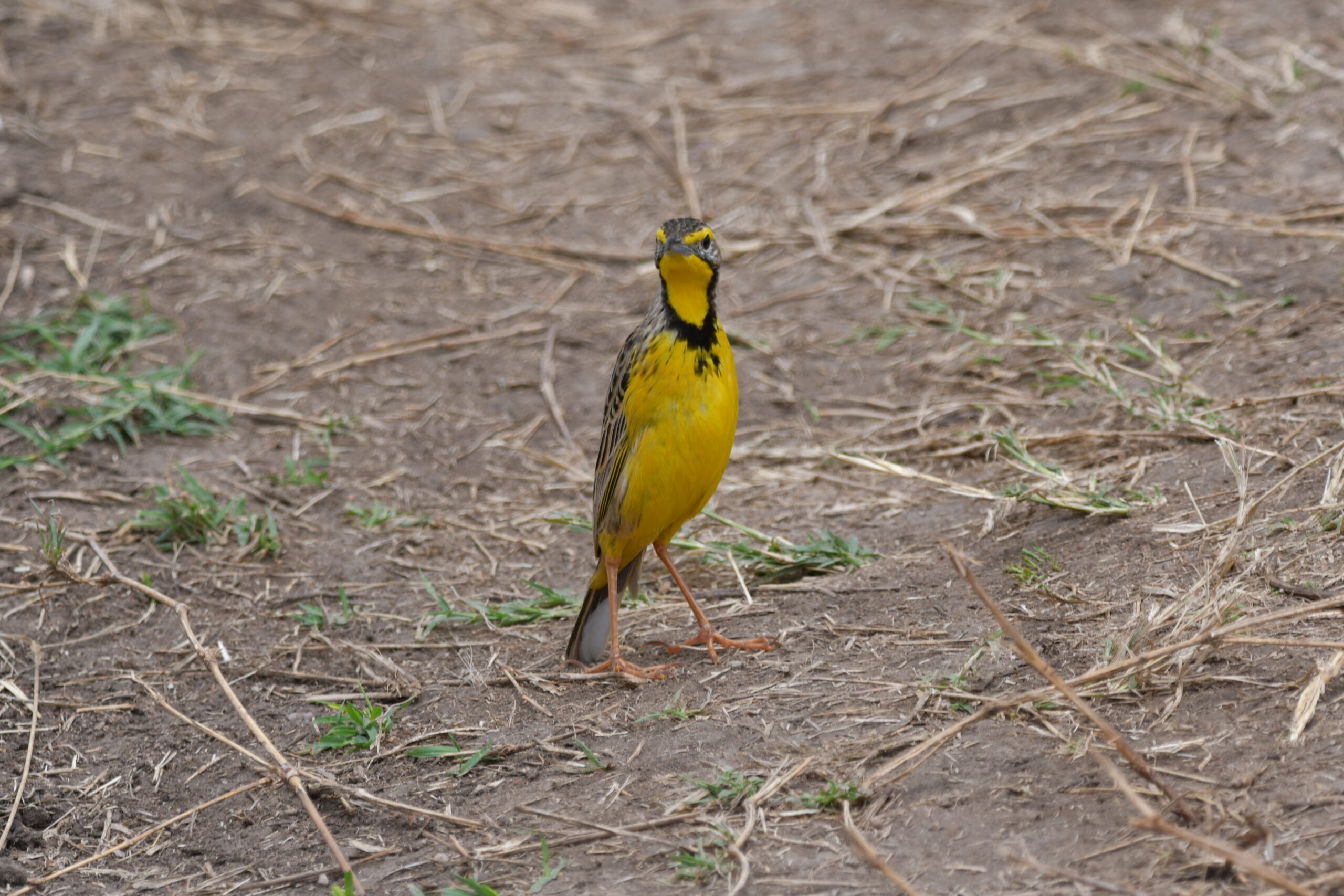
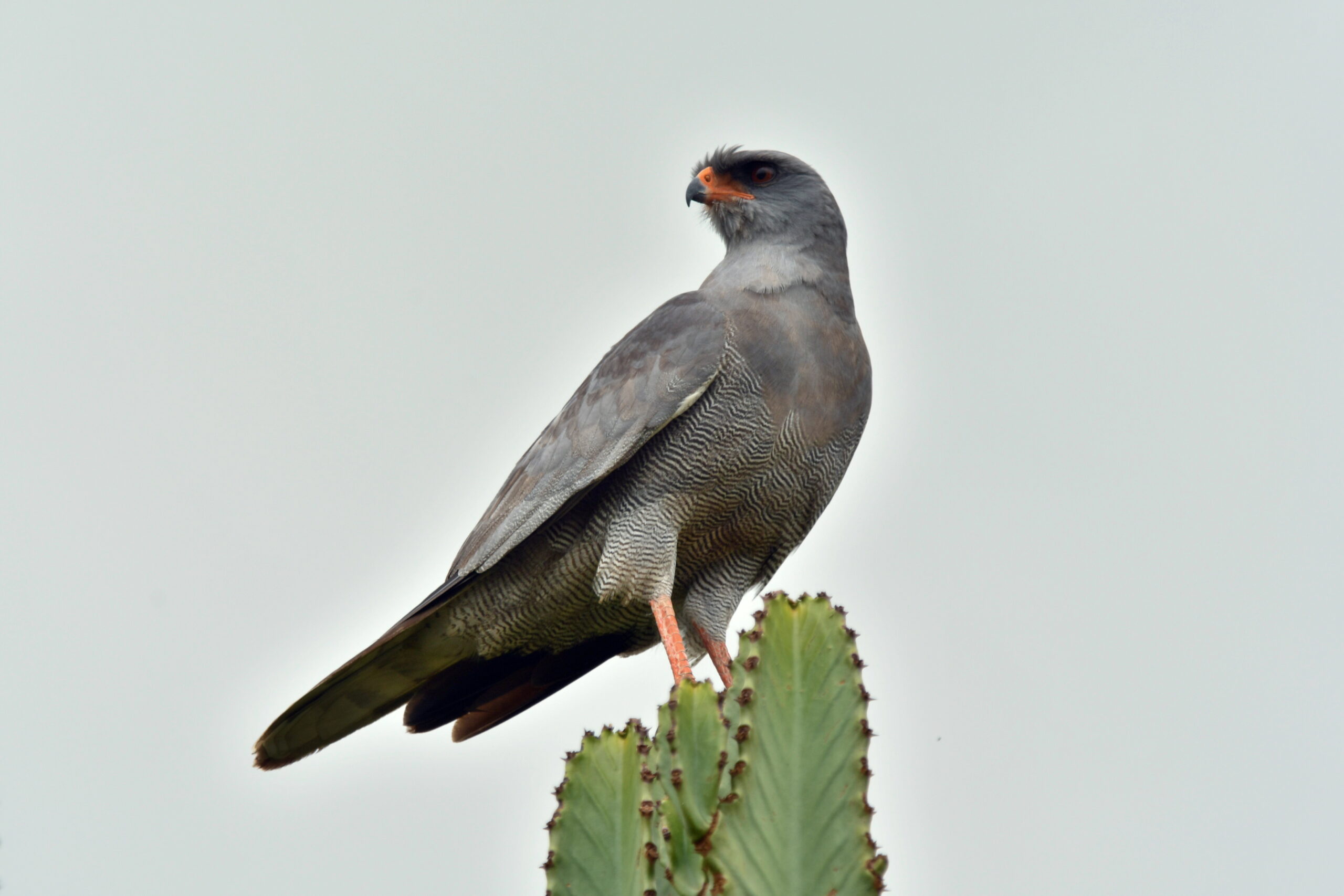
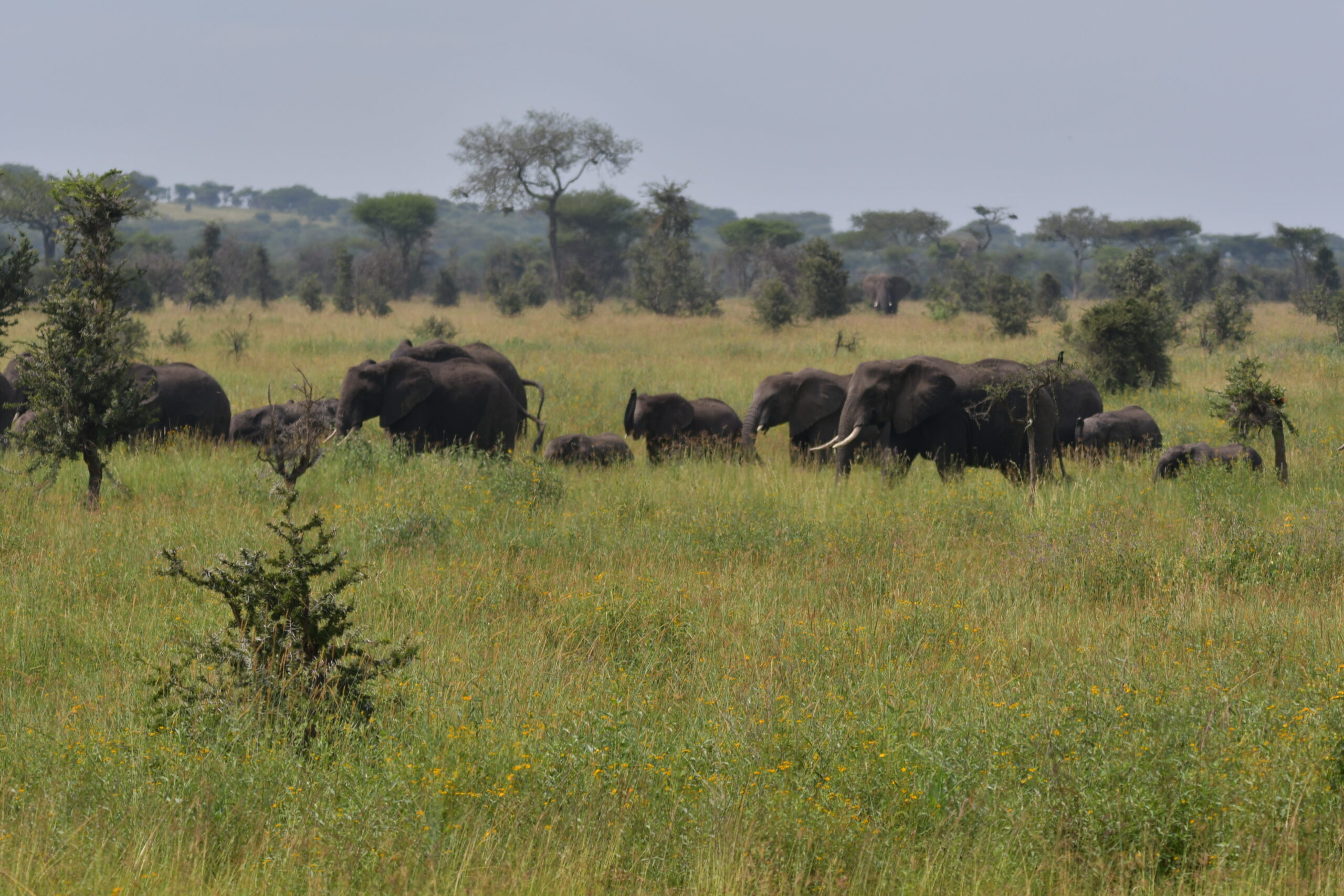
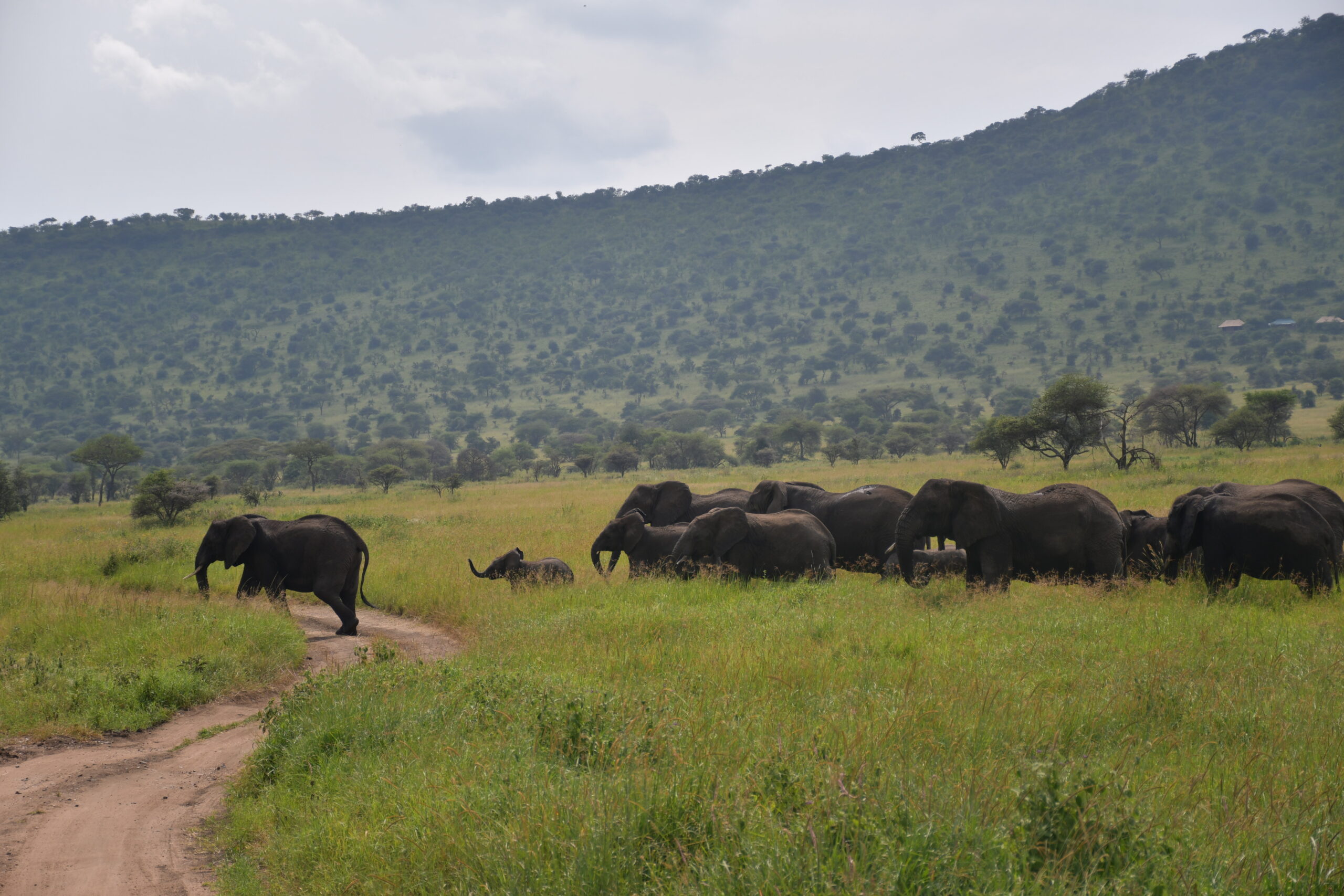
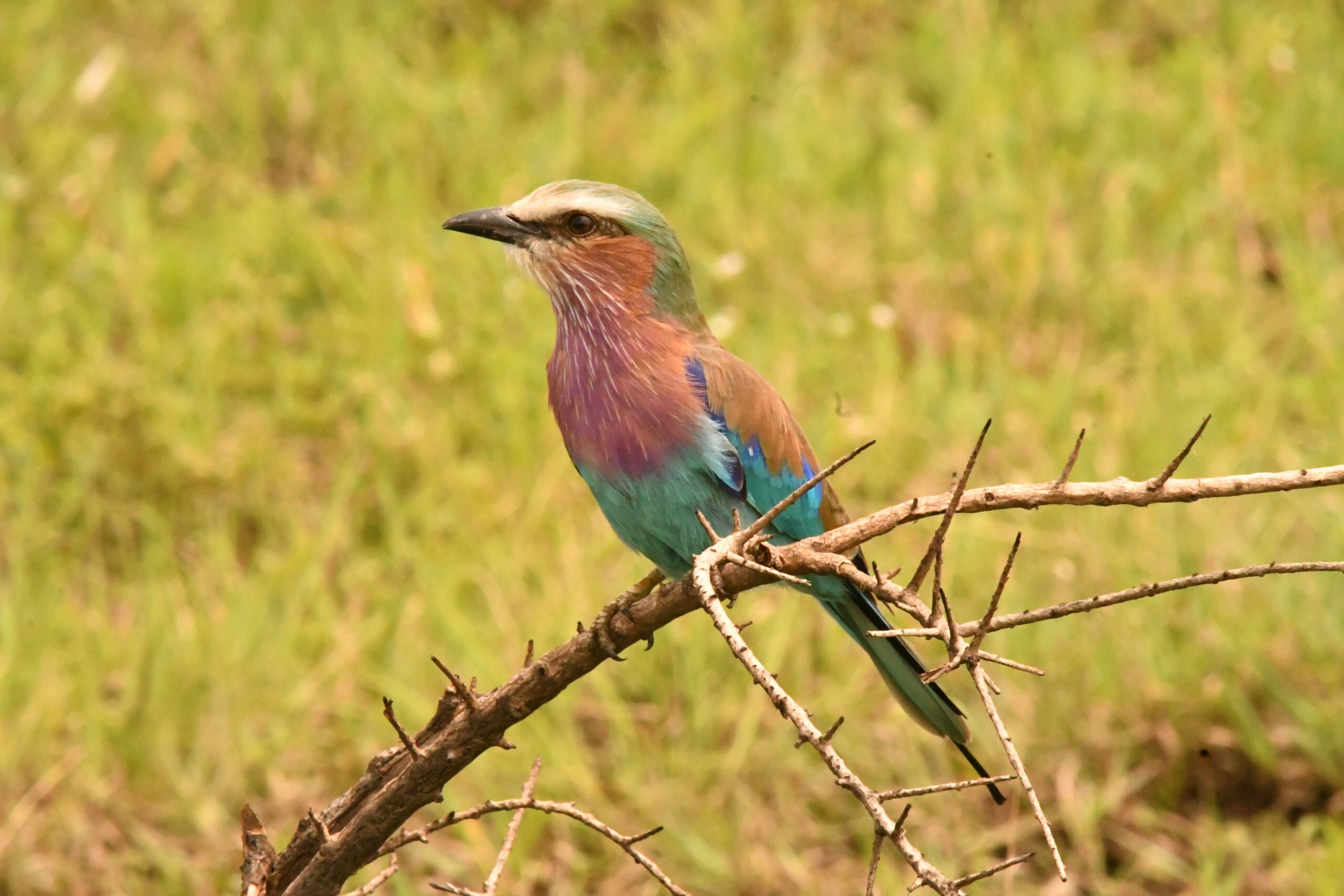
The Serengeti is home to the famous «Big Five»: lion, leopard, elephant, buffalo and rhinoceros. You can also observe cheetahs hunting, giraffes, hippopotamuses, hyenas, crocodiles and more than 500 species of birds. Each safari has its own share of surprises.
3
Sceneries that change with each step
- The plains of the south Short grass and open horizons, ideal for observing the births of gazelles.
- The center (Seronera) acacias umbrellas, rocky outcrops and frequent encounters with large cats.
- The Western corridor Forests-galleries and rivers, the scene of the first crossings.
- The North : green hills and the Mara River, where herds of cattle face crocodiles.
4
When to leave?
The Serengeti can be visited all year round, because each season has its own advantages:
- From December to March The herds are in the south and calving is in full swing.
- From June to October It is the dry season, ideal for observing wildlife, with river crossings in the north.
- April and May The nature is lush and the lodges are quieter.
Living the experience
4×4 safari, night under a tent in a camp in the middle of the savanna, hot air balloon flight at sunrise, meeting the Maasai communities: the Serengeti is experienced with all the senses. The roaring at dusk, the smell of the earth after the rain and the golden light of dawn remain etched in memory long after the return.